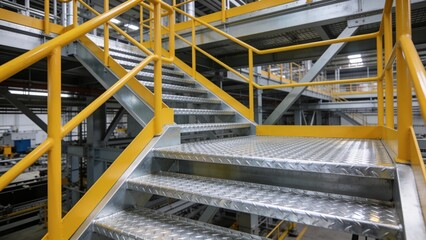
A staircase is more than a way to move from one level to another. It can become one of the most noticeable architectural features in a building while also providing essential support and safety. When strength, durability, and a clean appearance are important, steel stairs and railings offer a practical solution for many types of spaces. Their ability to withstand regular use while maintaining their structural integrity makes them a dependable choice. With the right design and finish, steel can also create a modern and polished appearance that complements different architectural styles.
Steel Stairs and Railings are valued for their combination of performance and visual appeal. Unlike materials that may require frequent repairs or refinishing, properly designed steel components can remain reliable for many years. They can also be customized to suit different stair layouts, railing styles, and design preferences. Whether the goal is a simple industrial appearance or a more refined architectural look, steel provides considerable flexibility. Understanding its benefits can help property owners, designers, and builders make informed decisions when planning a staircase.
Why Are Steel Stairs a Strong and Durable Choice?
Strength is one of the biggest advantages of steel stairs. Steel has excellent structural properties that allow it to support substantial loads without easily bending, cracking, or deteriorating under normal use. This makes it suitable for staircases that experience frequent foot traffic throughout the day. When properly engineered and installed, steel stairs can provide dependable performance for many years. Their strength also allows designers to create stair structures that are both secure and visually streamlined.
Durability is another important consideration when selecting stair materials. Steel can withstand repeated use and is generally less vulnerable to common problems associated with weaker materials. Proper protective coatings can also help steel resist moisture, corrosion, and surface deterioration. Routine inspections and appropriate maintenance can further extend the useful life of the staircase. Because of these qualities, steel stairs can provide long-term value while reducing the likelihood of frequent structural repairs.
What Makes Steel Railings a Reliable Safety Feature?
Railings play an important role in staircase safety because they provide users with something stable to hold while walking up or down the stairs. Steel railings are particularly useful because of their strength and rigidity. A properly installed railing can provide consistent support without feeling weak or unstable during everyday use. This is especially valuable in areas where stairs are frequently used by employees, visitors, residents, or customers. The dependable nature of steel makes it a practical material for creating secure handrails and guardrails.
Steel railings can also be designed to provide safety without making a staircase appear bulky. Different profiles, heights, spacing arrangements, and configurations can be incorporated into the overall design. Smooth surfaces can make the railing comfortable to grip, while carefully selected finishes can improve its appearance. The design should always take applicable building and safety requirements into consideration. When functionality and design are properly balanced, steel railings can make a staircase safer while contributing to the overall character of the space.
How Can Steel Stairs and Railings Improve Interior Design?
Steel is often associated with modern and industrial architecture, but its appearance can be adapted to many design concepts. Clean lines and simple profiles can create a contemporary look, while decorative elements can give the staircase a more distinctive appearance. Steel can also be combined with other materials to create visual contrast and texture. Depending on the design, a steel staircase may look bold and substantial or light and minimal. This flexibility makes it useful for both functional and design-focused projects.
The finish applied to steel can also influence the overall appearance of a staircase. Painted, powder-coated, polished, or other finished surfaces can provide different visual effects while offering varying levels of protection. Designers can select finishes that complement walls, flooring, doors, lighting, and other architectural elements. Railings can be kept simple for a minimalist appearance or incorporated into a more decorative design. By considering the staircase as part of the overall interior, steel can become an intentional design feature rather than simply a structural component.
What Types of Steel Stair Designs Are Available?
Steel stairs can be designed in many configurations depending on the available space and intended use. Straight staircases are among the simplest options and can provide a clean, practical appearance. Other layouts can incorporate turns, landings, or different structural arrangements when space or architectural requirements call for them. Floating-style designs can create a more open appearance, while heavier structural designs can emphasize durability and strength. The most appropriate configuration depends on factors such as available space, traffic levels, structural requirements, and design goals.
Railings can also vary significantly in appearance and construction. Simple horizontal or vertical designs can provide a straightforward appearance, while more detailed patterns can add architectural interest. Steel railing systems may also incorporate materials such as glass, wood, or other complementary elements. The combination of materials can create a balanced appearance while retaining the strength of steel as a primary component. Careful planning is important because the stair structure and railing should work together rather than appear like separate additions.
How Should Steel Stairs and Railings Be Maintained?
Although steel is durable, regular maintenance is still important for preserving its appearance and performance. Routine inspections can help identify loose connections, damaged finishes, corrosion, or other issues before they become more serious. Dirt and debris should be removed regularly, particularly in areas where moisture or contaminants may collect. Keeping surfaces clean can help maintain the appearance of the stairs and railings while allowing potential problems to be noticed more easily. Any damage to protective finishes should also be addressed appropriately to reduce the risk of corrosion.
Maintenance requirements can vary depending on the type of steel, finish, environment, and amount of use. Areas exposed to moisture may require closer attention than dry interior spaces. Fasteners, joints, handrails, and other connection points should be checked periodically to ensure that everything remains secure. Professional inspection may also be appropriate when structural concerns or significant deterioration are identified. With consistent care, steel stairs and railings can continue providing strength, safety, and visual appeal for a long time.
What Should You Consider Before Choosing Steel Stairs and Railings?
Planning is essential before installing a steel staircase or railing system. The design should account for the available space, expected traffic, structural requirements, safety considerations, and desired appearance. Measurements should be accurate so that the finished staircase fits properly within the intended area. The type and thickness of steel should also be selected according to the structural demands of the project. Taking these factors into account early can help prevent costly adjustments later.
Budget is another factor that should be considered alongside long-term value. The initial cost of steel stairs and railings can vary depending on the design, materials, fabrication, finish, and installation requirements. However, durability and relatively manageable maintenance needs can make steel a worthwhile investment over time. A well-planned system can provide dependable performance while also enhancing the appearance of a property. Choosing quality materials and ensuring proper installation can help maximize the benefits of the investment.
Final Thoughts
Steel stairs and railings offer a practical combination of strength, durability, safety, and design flexibility. They can withstand demanding daily use while providing a clean and attractive appearance. With numerous configurations and finishing options available, steel can accommodate both simple and highly customized architectural designs. Proper planning, fabrication, installation, and maintenance are essential to achieving the best results. When these factors are carefully considered, steel stairs and railings can provide a long-lasting solution that supports both functionality and visual appeal.