A septic system works quietly beneath your property, so it is easy to forget about it until something goes wrong. One day, everything may seem normal, and the next, you could notice a slow-draining sink, an unpleasant odor, or water pooling in the yard. These warning signs can indicate that your septic tank or another part of the wastewater system needs attention.
Ignoring these symptoms can turn a small issue into a much more expensive repair. Understanding the most common septic tank problems can help homeowners spot trouble early and act before serious damage occurs. Go to https://septic-guys.com/ for more details.
Why Septic Tank Problems Happen
Septic systems are designed to manage household wastewater through a combination of settling, biological treatment, and soil filtration. Wastewater enters the tank, where heavier solids settle to the bottom while lighter materials form a layer near the top. The liquid in the middle eventually flows toward the drain field for further treatment. Although this process can work effectively for many years, the system requires regular maintenance to remain functional.
Problems can develop for several reasons, including excessive waste buildup, damaged components, improper disposal practices, excessive water use, and poor maintenance. Some issues are caused by normal wear over time, while others result from household habits. A septic system can also experience problems when the drain field becomes saturated or clogged.
Recognizing the cause of a septic problem is important because different issues require different solutions. Pumping may resolve a tank that is too full, but it will not necessarily correct a damaged pipe or failing drain field. Professional inspection can help determine what is happening and prevent homeowners from treating only the visible symptoms.
A Full or Overloaded Septic Tank
One of the most common septic system problems is a tank that has become too full of sludge and scum. Solid waste naturally accumulates inside the tank over time. If the tank is not pumped regularly, the available space for wastewater becomes reduced, and the system may eventually struggle to function properly.
A full tank can cause several warning signs. Homeowners may notice slow drains, toilets that flush poorly, unpleasant odors, or wastewater backing up into plumbing fixtures. These symptoms should not be ignored because they may indicate that the tank needs immediate attention.
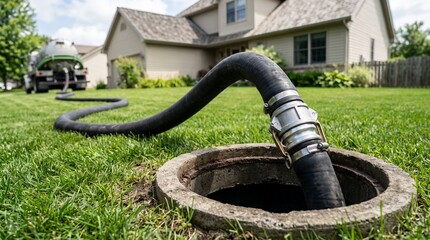
Regular pumping helps remove accumulated solids before they reach excessive levels. The ideal pumping schedule varies depending on tank size, household size, water usage, and the amount of solids produced. Many systems require pumping every few years, but homeowners should rely on professional inspections and actual tank conditions rather than following a schedule blindly.
Septic Tank Clogs and Blockages
Clogs can prevent wastewater from moving properly through the septic system. A blockage may occur in the pipes leading from the home to the tank or in components that carry wastewater away from the tank. When wastewater cannot flow freely, pressure can build up and cause backups.
What enters the septic system can contribute to blockages. Items that do not break down easily can accumulate inside pipes or the tank. Grease and cooking oils can also stick to pipe surfaces and contribute to restrictions over time. Flushing inappropriate materials down toilets can increase the amount of solid waste that the system has to handle.
Preventing clogs starts with being careful about what enters the drains. Toilets should generally only receive human waste and toilet paper, while household drains should not be used to dispose of grease, oils, chemicals, or non-biodegradable materials. If multiple drains are slow or wastewater begins backing up, professional evaluation can help determine where the blockage is located.
Drain Field Failure
The drain field is one of the most important parts of a septic system. After wastewater leaves the tank, it is distributed through the drain field, where the surrounding soil helps filter and treat the liquid. When the drain field becomes saturated, clogged, or damaged, the entire septic system can begin experiencing problems.
A failing drain field may produce several noticeable signs. Standing water, unusually wet soil, unpleasant odors, or unusually lush vegetation near the drain field can indicate that wastewater is not being absorbed correctly. Indoor plumbing problems can also develop if wastewater cannot move through the system as intended.
Drain field problems can be caused by excessive wastewater, compacted soil, damaged pipes, or solids entering the field from an overloaded tank. Once a drain field has been significantly damaged, repairs can be complicated and expensive. Regular septic tank pumping and proper water management can help reduce the risk of solids and excessive wastewater reaching the drain field.
Sewage Backups
A sewage backup is one of the most serious septic system problems a homeowner can experience. It occurs when wastewater cannot move properly through the system and begins returning through household plumbing fixtures. Wastewater may appear in toilets, sinks, bathtubs, showers, or floor drains.
Backups can happen because of a full tank, blocked pipes, drain field problems, or other system failures. Regardless of the cause, sewage backups should be addressed promptly. They can create unpleasant odors, damage flooring and other materials, and introduce contaminated wastewater into living areas.
Homeowners should avoid treating a backup as a simple plumbing inconvenience. If several fixtures are affected at the same time, the septic system may be involved. Professional assessment can determine whether the issue is related to the tank, pipes, drain field, or another component.
Unpleasant Septic Odors
Strong sewage odors around the home or septic tank area can indicate that something is wrong. A properly functioning septic system should generally contain wastewater and gases within the appropriate components. Persistent foul smells may indicate an overloaded tank, drainage problem, damaged pipe, or ventilation issue.
Odors inside the home may come from plumbing fixtures, while outdoor odors can originate near the tank or drain field. Weather and environmental conditions can sometimes influence how noticeable odors are, but persistent or unusually strong smells deserve attention.
Homeowners should not attempt to cover septic odors with air fresheners or other temporary solutions. The underlying cause needs to be identified. An inspection can determine whether the odor is related to normal system operation or a developing problem that requires repair or maintenance.
Septic Tank Leaks
Septic tanks can develop leaks because of aging materials, structural damage, shifting soil, corrosion, or other problems. A leaking tank may allow wastewater to escape into the surrounding soil instead of remaining contained within the system.
Leaks can be difficult to identify because much of the septic system is underground. Warning signs may include unusually wet areas around the tank, foul odors, unexplained changes in the surrounding soil, or problems with wastewater levels. In some cases, there may be few obvious signs until the leak becomes more significant.
A damaged septic tank should be professionally inspected to determine whether repair or replacement is necessary. Attempting to ignore a leak can allow wastewater to affect the surrounding environment and potentially create additional property problems. Regular inspections can help identify structural issues before they become severe.
Excessive Water Usage
Septic systems can become overwhelmed when too much water enters the tank in a short period. Every shower, toilet flush, laundry load, and dishwasher cycle contributes wastewater to the system. When water enters faster than the system can process it, the balance between the tank and drain field can be disrupted.
Excessive water use can contribute to slow drainage and drain field problems. It may also prevent solids from settling properly inside the tank, increasing the possibility that solids will move toward the drain field.
Homeowners can reduce this risk by repairing leaking fixtures and spreading water-intensive activities throughout the week. Water-efficient appliances and fixtures can also help reduce wastewater volume. However, water conservation does not replace regular septic pumping because solid waste will continue accumulating regardless of water usage.
Harmful Materials Entering the Septic System
Septic tanks rely on natural biological activity to help break down organic waste. Introducing certain chemicals or materials can interfere with this process or create other problems within the system. Harsh chemicals, excessive cleaning products, grease, oils, and non-biodegradable materials can all place additional strain on septic systems.
Common household habits can therefore have a long-term impact on septic performance. Flushing inappropriate items or pouring grease down drains may seem harmless when done occasionally, but repeated disposal can contribute to blockages and buildup.
Homeowners should learn what materials are appropriate for septic systems and follow responsible disposal practices. Keeping harmful substances out of the drains helps protect the tank, pipes, and drain field. Good disposal habits are one of the simplest ways to reduce avoidable septic problems.
Tree Roots and Septic Pipe Damage
Tree and plant roots naturally seek sources of water and nutrients. If roots grow near septic pipes, they may eventually enter small cracks or joints. As roots expand, they can restrict wastewater flow and potentially damage the pipe.
Root intrusion can result in slow drains, backups, or wet areas around damaged sections. Because pipes are underground, homeowners may not know that roots are causing a problem until drainage issues become noticeable.
Careful landscaping can help reduce the risk of root-related septic problems. Trees and large plants should be positioned appropriately away from septic components. If root intrusion is suspected, professional inspection can help identify the affected area and determine the appropriate repair method.
Poor Septic Tank Maintenance
Many septic problems can be connected to a lack of routine maintenance. Homeowners sometimes assume that septic systems do not require attention because they operate underground. However, regular pumping, inspections, and responsible household practices are necessary to keep the system functioning properly.
Without routine maintenance, sludge can build up, small leaks can go unnoticed, and developing drain field problems may become more severe. Waiting until wastewater backs up into the home can result in unnecessary stress and higher repair costs.
Creating a maintenance schedule makes septic care easier to manage. Homeowners should keep records of inspections, pumping, repairs, and any unusual symptoms. This information can help professionals understand the system’s history and determine what maintenance may be needed in the future.
Conclusion: Address Septic Problems Before They Become Serious
Septic tank problems can range from minor clogs to serious drain field failures, but many issues become easier to manage when they are identified early. Full tanks, blockages, sewage backups, unpleasant odors, leaks, excessive water usage, harmful materials, and damaged pipes are among the most common concerns homeowners may encounter.
Regular pumping and professional inspections can help prevent many septic problems from becoming severe. Homeowners can also protect their systems by conserving water, disposing of waste properly, keeping harmful materials out of drains, and protecting the drain field from unnecessary damage.
A septic system is an important part of a property’s wastewater infrastructure, and proper maintenance can help it perform reliably for years. Paying attention to warning signs and addressing problems promptly can reduce the likelihood of major failures, costly repairs, and unpleasant disruptions. With consistent care and responsible household habits, homeowners can protect their septic systems and maintain a healthier, more dependable property.