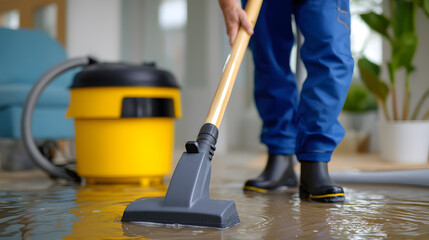
Salt Lake Water Damage Repair starts with a thorough inspection and moisture assessment. Then, experts use air movers and dehumidifiers to remove the moisture that hides behind wet surfaces.
Early water detection saves money and stress. It also prevents structural damage, mold growth, and health risks. Watch for: Standing water, wet spots, warped or sagging materials, and musty or sour odors.
Damage Assessment
Water damage can be caused by anything from a burst pipe to an overflowing bathtub, and it can cause serious problems from discoloration and swelling to mold growth and structural issues. No matter how your property gets its water, the sooner it’s assessed and restored, the better. The longer it sits, the more damage and higher repair costs you’ll face.
The water damage assessment process starts with a visual inspection. Experts walk through spaces, examining walls, floors, and ceilings for signs of discoloration, swelling, and buckling. They also check for water sources and stains to determine the severity of the problem.
Once they’ve gotten a feel for the scale of the problem, professionals can use moisture meters and thermal cameras to identify the full extent of the water damage. This helps them shape a targeted drying and restoration plan that doesn’t leave behind hidden moisture or structural issues.
They’ll also categorize the water type based on its contamination level and whether it’s clean, gray, or black water. This is important because the more contaminated the water, the more safety precautions you’ll need to take. For example, if the water is classified as Category 3, it’s unsanitary and contains dangerous pathogens that could cause illness. This type of water requires special disinfecting procedures, including wearing personal protective equipment and removing non-salvageable materials like drywall below the flood line, carpet padding, and low to medium density insulation.
Once the experts have a clear picture of the scope of work, they’ll create a detailed report that includes photographs, moisture readings, and notes. This makes for a much more transparent restoration plan and easier communication with insurance companies.
Water damage repairs can include a wide variety of services, from simple patching and painting to replacing insulation and rebuilding walls and ceilings. The specialists can even handle complex structural repairs and reconstruction.
Cleaning & Sanitization
After the initial assessment and mitigation, homeowners must focus on cleaning and sanitizing their homes to avoid mold and mildew growth and structural issues. These steps also help prevent health hazards and improve indoor air quality, minimizing future costs and restoration timelines.
Homeowners should first turn off any water sources such as a leaking pipe or broken sprinklers. They should then carefully check the property for safety risks, such as downed power lines or gas leaks. They should also evacuate the affected area until it’s safe to return. Taking these immediate actions will significantly impact the long-term outcomes of a water loss.
The next step is to dry out the affected areas using specialized equipment like industrial-grade fans and dehumidifiers. This process ensures that all moisture is removed from materials and contents, preventing future damage like rot and mold. During the drying process, it’s critical to monitor humidity levels and adjust equipment as necessary.
Once moisture is at a safe level, a professional should disinfect all surfaces and belongings to reduce bacterial buildup. This includes a thorough cleaning of furniture and carpets, as well as the disinfection of drywall, floors, walls, ceilings, and other structural elements. Professionals should always wear personal protective equipment (PPE) like an N-95 mask, disposable gloves, goggles, and rubber boots.
This is especially important for black water damage, which often results from floods or sewer backups and contains harmful bacteria that can cause serious illnesses. The specialist may need to discard unsalvageable items if severe contamination is detected. Once all items and structures are sanitized, they can be rebuilt or repaired depending on the extent of damage. Structural repairs may include replacing weakened beams, joists, and walls.
Structural Repairs
Water damage can leave a property vulnerable to structural problems, such as sagging floors or bowing walls. It can also exacerbate existing issues, such as a weakened foundation or wood rot. In addition, moisture promotes the growth of mold, which poses health hazards for occupants. The good news is that a fast response to any signs of moisture can prevent these problems from worsening and save homeowners money and stress.
A professional restoration company will begin the process of cleaning and sanitizing the affected area. This may involve removing drywall and other damaged materials, cleaning and disinfecting surfaces, and addressing any mold issues. In some cases, specialized equipment like air movers and dehumidifiers will be used to speed the drying process and mitigate any potential damage.
Next, the restoration professionals will make any necessary repairs to restore the integrity of the structure. This may include repairing or replacing drywall, flooring, and other building materials. It may also be necessary to replace insulation and re-plumb any affected areas. If the home has a crawl space, it can be more difficult to access and dry the area, but this shouldn’t prevent the experts from providing a complete repair solution.
If the problem is extensive, it may be necessary to perform more significant structural repairs. These might include reinforcing beams, re-plumbing the foundation, and other methods of restoring the stability of the home or building. In some cases, it may be necessary to remove and replace entire sections of the structure.
The cost of water damage repair for residential properties can vary greatly depending on the extent and duration of the water intrusion. The location of the damage, the materials involved, and the level of professional services needed can all affect the final cost. It’s also important to consider your insurance coverage and any deductibles before hiring a restoration contractor.
The bottom line is that water damage repair is a complex and crucial process. It not only helps preserve the integrity of structures and safeguards personal belongings, but it also protects occupants’ safety by reducing the risk of mold growth and other common crawl space issues.
Mold Remediation
Mold isn’t just a nuisance – it poses serious health hazards, particularly for those with allergies or respiratory sensitivities. Untreated, it can lead to a host of problems, including persistent allergy-like symptoms, asthma flare-ups, and fungal infections.
That’s why it’s important to act quickly when water damage leaves your property vulnerable to mold growth. A qualified restoration company will offer both mold remediation and mold removal services to protect your property’s value and ensure the safety of its inhabitants.
Unlike mold removal, which focuses on the surface areas where spores grow, remediation goes further by identifying and addressing the source of the spores. A professional will use an EPA-registered biocide (moldicide) to kill existing spores and prevent future growth. Depending on the type of spores, they may also isolate and clean affected surfaces using an effective cleaning process to prevent spores from spreading in other areas.
The first step in the mold remediation process is containment and air filtration. Using a HEPA vacuum, the technicians will isolate the contaminated area to prevent spread of the spores. Then they’ll remove wet and mold-damaged porous materials, such as carpeting and drywall, and dry the remaining structure. Finally, they’ll clean and disinfect the area with a biocide/fungicide solution to prevent further growth and re-contamination.
After a final inspection and cleaning, an air quality test can verify that the amount of spores remaining in the air is at safe levels. This is an essential step because a restoration company that does not offer this service cannot provide their clients with full confidence that the mold problem is fully addressed.
While some restoration companies make a quick buck by simply removing the visible signs of mold, they are not getting to the root of the issue and preventing further damage. This is why a professional restoration company will not only offer mold testing, but will also perform remediation to get the level of fungus in the air back down to normal, natural levels. This is the only way to ensure that mold will not return and cause more damage in the future.